
Chasing Wildlife’s Guide to Animals

Love Mammals?
Get to know everything about wildlife. Learn the behaviors, habits and specifcs about your favorite mammals.

Crazy about birds?
Learn about the nesting habits and best places to spot your favorite birds.

Reptiles? Insects?
If your passions are for lesser known or less seen animals, check out the guide to reptiles and insects.
The importance of knowledge
Getting to know the myriad species of our world is extremely inportant. Whether it is for conservation or photography knowing species will help us protect them for future generations.
Mammals

Domestic Cat
Yes this is a site for wild animals but the domestic cat is very closely related to other cats and is sometimes found in the wild. Be sure you can distinguish feral and wildcats.

Caracal
One of the most beautiful cats, the Caracal (caracal caracal) is more than just a pretty face. It is supremely adaptable and is known for its extreme jumping capability.

Cheetah
There is more to the Cheetah, Acinonyx jubatus, than just its speed. Lithe and athletic, the cheetah is unique among the cats for its hunting style.

Black-footed Cat
The smallest of the cats and the most successful hunter, the Black-footed cat (Felis nigripes) is known from its fame in David Attenborough’s BBC TV series.

Canada Lynx
Discover the fascinating world of the Canadian lynx (lynx canadensis) and learn about its habits, habitat, and conservation efforts. Its beautiful thick fur keeps it warm in the winter and the massive paws allow it to walk on snow with ease.
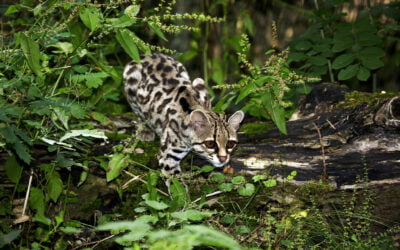
Margay
The Margay is a jungle cat from the Americas. It resembles its close cousin the Ocelot, in a lot of ways, not least its looks. The fact that it is called Baumozelot, or Tree Ocelot in German, explains a lot. It does spend a lot more time in the trees than its relative.
